Reuters: Health
India will offer incentives to private hospitals to take part in the government's health insurance program, potentially the biggest of its kind in the world, a senior government official told Reuters.


Health coaches change lives and contribute to a healthier world—all while earning a living. Find out how to become a health coach and join this thriving field.
The post How to Become a Health Coach in 4 Steps appeared first on Chris Kresser.

If it has to be red sauce in your household, try making our homemade ketchup, which gives the classic tomato condiment a festive twist. With a mix of miso, vinegar and sharp cranberries, it achieves a tangy flavour with an umami-rich backbone, which is balanced by the sweetness of soft brown sugar. Exchanging homemade gifts for Christmas this year? Try packaging your homemade ketchup up in sterilised bottles, or jars, and decorating with tied ribbon, or hand-written gift tags to add a personal touch.
Makes about 700ml
1 onion, roughly chopped
6 garlic cloves, sliced
4 bay leaves
500g cranberries (fresh or frozen, defrosted)
4 tbsp sweet white miso
150g dark soft brown sugar
250ml cider vinegar
1 Put all the ingredients into a saucepan, cover, then bring to the boil. Keep the bubbles going until the sauce has reduced by just over half (about 50-55 mins), then whizz together in a powerful blender until completely smooth, scraping down the sides as needed.
2 Using a funnel, transfer the ketchup into hot, sterilised bottles or jars (old vinegar bottles work well). Seal with a lid while hot, then cool completely before using. Your homemade ketchup will keep in a cool, dark place for six months but, once opened, should be refrigerated and used within two weeks.
The post Miso cranberry ketchup sauce appeared first on Healthy Magazine | Food | Fitness | Beauty | Health.
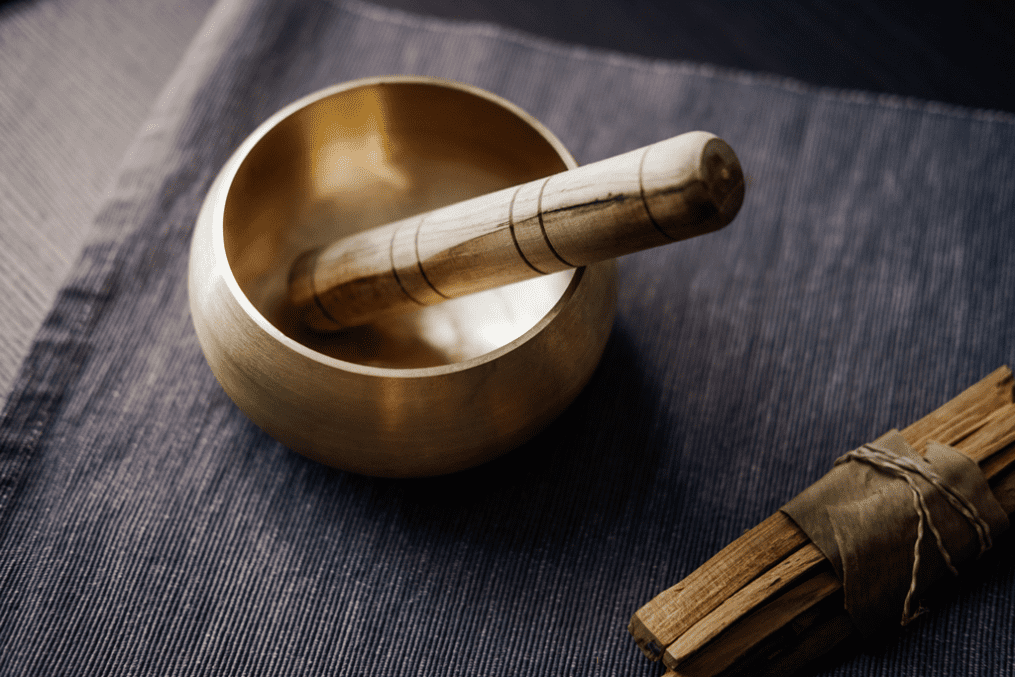
Long associated with eastern religion (or old Rank movies), the rippling, echo-y tones of the gong are having a moment. Billed as a shortcut to a meditative state, practitioners claim the instrument’s acoustic vibrations can change brainwave frequencies, which are on a spectrum from high-frequency beta waves, which appear when we’re wired, to delta waves, which are evident when we’re asleep or meditating. In the middle, alpha waves show when we’re relaxed or reflective, and theta when we’re drowsy or in a state of flow. The idea is that sound therapists match the gong sounds to the frequencies of delta or theta waves to encourage stress reduction, promote emotional healing and improve sleep.
Each practitioner has their own take, but essentially sessions take place in yoga studios (although any large space will work) and might start with yoga (often the Kundalini type, with lots of repetitive movements and chanting), or breathing exercises, before clients lie on mats under blankets. Eye masks are optional, though sessions tend to be in low light (candles are often used), and with incense. Once everyone’s horizontal, you’re asked to close your eyes and the sound gently starts, then builds up. As well as different-sized gongs, there may be tuning forks and Tibetan singing bowls (which emit a thrum when struck or the edge is rubbed), or the practitioner’s voice may create a series of sounds, with a final chime indicating the end of the session.
Gong bathers report a sense of relaxation, emotional release, a deep buzzy feeling and calmness after each session – often lasting several days. So, overall the feedback is a gong bath will help you chill and feel content and many report improved sleep: indeed, it’s not unusual for people to fall asleep during sessions. However, small numbers of people can find the apparent emotional release triggered by the bath distressing. There have also been reports of people experiencing vivid visions. In the US, sound therapy has been promoted as a treatment for Parkinson’s disease with sufferers reporting fewer tremors and decreased use of medication, thanks to an effect called entrainment, where music and sound help to harmonise muscle activity.
Not much at the moment. One recent US study found gentle sound, when synchronised to the rhythm of brain waves, could promote deep sleep and improve memory function, although nature sounds were used. And while research does show parts of the brain do oscillate at specific frequencies and there is evidence that this can be triggered by external factors such as the sound of a person’s voice, there’s nothing to prove that these oscillations have an effect on wellbeing. Research is happening, though, including one study looking at the effects of the buzzy, ‘brain-gasm’ feeling as a way to treat depression. Even so, lots of evidence shows meditative states can relieve stress and anxiety, high blood pressure and can help those with insomnia and chronic pain. So if it’s a shortcut to calm you’re looking for, this could be it. And you might get a nap, too.
The post Should I try sound baths? appeared first on Healthy Magazine | Food | Fitness | Beauty | Health.

Earlier this year, the government published its Clean Air Strategy, with an emphasis on reducing the wider impact air pollution has on both the environment, and our health. But, for the past five years, the UK has breached EU pollution limits. Clearly, change isn’t going to happen overnight and, in the meantime, you wouldn’t be blamed for wondering what dangerous levels of toxins in the air means for your skin.
‘The environment is becoming an increasingly complex soup of fine, invisible particles, which come from many different sources,’ says aesthetic doctor Dr Mervyn Patterson. ‘One of the biggest offenders is diesel particulate matter. These are microscopic particles and mainly come from the soot emitted from cars and lorries. But it’s a complex mix, including other carbon particles, all of different sizes and chemical compositions. They sit in the atmosphere in the air we breathe and on our skin, too.’
Linked to both premature ageing and worsening skin conditions such as eczema, this particulate matter affects us all – city-dweller or not. Much smaller than the pores through which our skin breathes, the particles find their way in, triggering inflammation. It sounds doom-and-gloom, but there are measures you can take with your skincare to face up to pollution.
Luckily, a large part of tackling our smoggy situation comes down to following a normal skincare routine, with best-practice cleansing front and centre. ‘It’s simple, but essential,’ says Dr Patterson. ‘Cleanse off make-up and sunscreen. Every evening, remove the layer of material you’ve accumulated and never sleep in it.’ Use a gentle cleanser to avoid stripping the skin, as you need your skin barrier in tip-top condition to see away potential invaders. Skin should feel thoroughly clean, but not tight or dry after using. Creams and lotions are typically kinder to skin while still being effective, but find one for your skin type, which is suited to any skin conditions you may be suffering from.
You could probably recite the benefits of facial sunscreen in your sleep, but it may be time to upgrade. ‘Use a sunscreen with a protective element,’ says Dr Patterson. ‘You want a product that has the usual zinc and titanium protection, but also has a mesh of iron oxides. This traps the gases coming through in the air and neutralises them, defusing the environment as it hits the skin.’
‘If you can keep your external skin barrier healthy, it will help to reflect and keep out pollution,’ says Dr Patterson. He advises avoiding frequent physical exfoliation in your skincare routine: ‘You’re harming the barrier, and making skin more vulnerable.’ Barrier repair technology is a complex area, but essentially, you’re looking for three key lipids: cholesterol, ceramides, and free fatty acids. ‘These lipids sit in between each cell on the surface of the skin, hugely contributing to the defensive mechanism of the top skin cells,’ says Dr Patterson. ‘To get the skin to heal as fast and as well as possible, use a cholesterol-dominant formulation, but these can be hard to find.’ Our advice? Look for buzzwords ‘defence’ and ‘barrier’ on the label and chat to store staff.
‘For those particles that do get through and inevitably some will, the best course of action is to control the inflammatory response,’ says Dr Patterson. ‘Inflammation has a lot to answer for in terms of our skin health. A study found a definite association between the amount of particulate matter in the air and the incidence of skin pigmentation, particularly on the face. This is because the skin’s natural response to inflammation is to create melanin as a shield,’ says Dr Patterson. ‘Inflammation also causes a mismatch between the reabsorption of collagen and the production of it, causing wrinkling. And there’s a lot of evidence it also contributes to the high numbers of skin cancers we’re now seeing, thanks to DNA damage.’
To find technology that understands how to calm the inflammatory process, Dr Patterson advises turning to nature. ‘The typical anti-inflammatories used are botanical,’ he says. ‘Plants have developed a complex array of defence mechanisms against environmental pollution and UV. They can’t move out of the sun, they can’t avoid pollution, so they contain effective anti-inflammatory ingredients.’ Look for those with proven effects, which include date, meadowfoam and safflower, says Dr Patterson.
The post How to protect your skin from air pollution appeared first on Healthy Magazine | Food | Fitness | Beauty | Health.
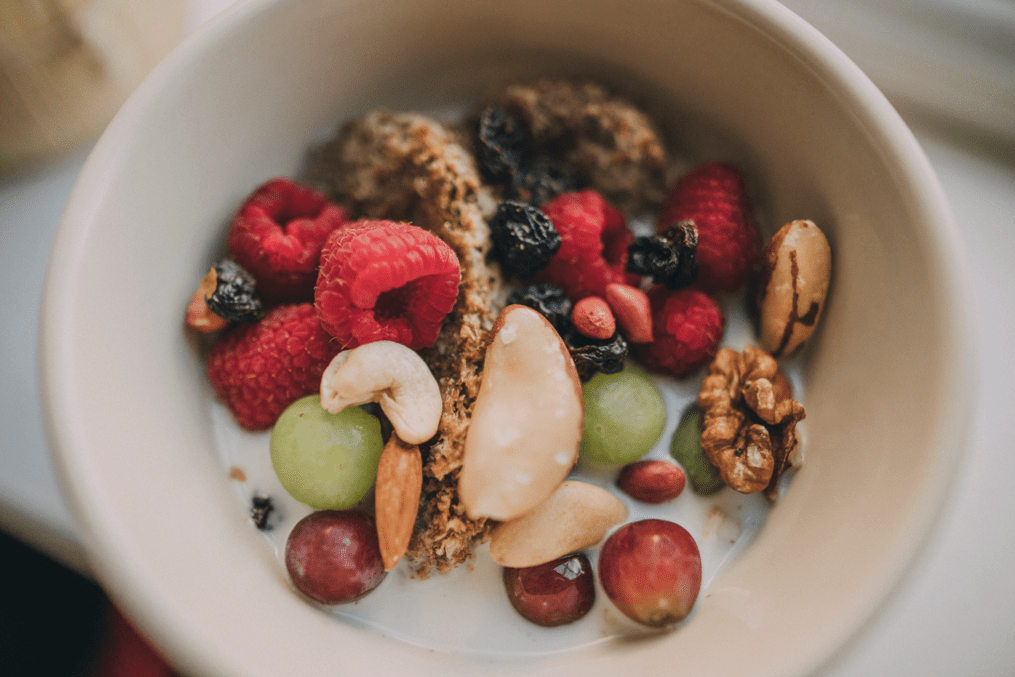
Since the F-Plan diet in the 1980s, and the days when it was known as ‘roughage’, we’ve learnt a lot more about fibre and its importance to health. Apart from helping keep us ‘regular’, aiding digestion and preventing constipation, a high-fibre diet has been linked to a lower risk of stroke, heart disease and bowel cancer, so it’s vital to get the message out there that fibre is seriously important. Especially as most of us aren’t getting anywhere near enough in our diets. We asked dietitian and director of the Nutrilicious food and health consultancy, Tanya Haffner, for her tips on how much we should be getting and how to achieve our fibre goals.
‘The UK National Diet and Nutrition survey shows that since 2008-9 the average consumption of fibre has hovered at around 17g a day for females aged 19-64, and 20g a day for males,’ says Haffner. ‘It’s far below the recommended daily intake: the Government’s Scientific Advisory Committee on Nutrition (SACN) 2015 Carbohydrates And Health report suggests a daily intake of fibre of 30g a day for all adults.’ This means, according to government guidelines, the average woman would have to increase her current fibre intake by 75% in order to achieve adequate levels.
But as well as levels of fibre, new ways of talking about the different kinds of fibre have emerged in recent years. ‘Previously, fibre was split into soluble types that lower cholesterol and stabilise blood sugar, and insoluble types that help speed the passage of food through the gut and beat constipation,’ says Haffner. ‘But it’s now thought to be more accurate to talk about fibre in terms of its fermentability (how likely it is that your gut bacteria will find it useful as food), and viscosity (whether or not it can absorb water).
‘Some types of fibre are particularly good targets for fermentation by gut bacteria, leading to a large rise in bacteria numbers and, in turn, an increase in the weight of your stools, making them easier to pass,’ says Haffner. ‘Specific fermentable fibres known as prebiotics, found in foods such as asparagus and onions, are especially recognised for their ability to stimulate the growth of friendly gut bugs that may help damp down inflammation, reduce colon cancer risk and relieve irritable bowel symptoms. Friendly bacteria are believed to bring about benefits by producing compounds called short chain fatty acids (SCFAs), which are important communication agents between our gut and other organs within the body, such as the liver and brain.’ For this reason, good bacteria can benefit your mood and help you to regulate your diet, too, which is another reason to get plenty of fibre.
‘Viscous fibres possess the additional quality of being able to hold water, swelling to a gel-like consistency that further contributes to fibre’s stool bulking properties,’ says Haffner. ‘The gel formed can also bind to excess cholesterol, lowering your blood cholesterol levels.’ And because the viscous fibre ‘sits’ in your digestive system for longer, it helps to slow down the absorption of sugars and nutrients, which might result in longer lasting feelings of fullness and satisfaction.
‘To achieve 30g a day from a low base may mean you need to slowly build up your fibre intake to avoid potential issues with wind and bloating,’ says Haffner. You’ll also have to ignore low-carb diet plans, as wholegrains such as wholewheat pasta and bread, barley, brown rice, quinoa, buckwheat and freekeh need to be on the menu (along with your recommended five a day), to meet your optimal needs. Tips for getting more fibre include:
‘Getting all your fibre from food is by far the best way – though a gentle viscous fibre supplement such as ispaghula (psyllium) is recommended by GPs for some types of constipation,’ says Haffner. ‘The other fibre supplement with some credibility is a prebiotic such as galacto-oligosaccharides or inulin, to help target and nourish good bacteria and perhaps help ease conditions such as IBS. But take care using any of these if you have a sensitive gut.’
The post Are you getting enough fibre? appeared first on Healthy Magazine | Food | Fitness | Beauty | Health.

Do you struggle with the plummeting temperatures and lack of daylight? Perhaps you associate winter with feeling tired and low, and fighting off bugs. It doesn’t have to be this way. Take heed from our Scandi cousins who, with much tougher winters than us, have got the season well and truly sorted. In fact, the Danish tradition of hygge and its lesser-known Swedish equivalent mys, are both closely focused on embracing winter and looking at the positives you can take from it, including cosying up indoors with friends and family, and maximising your physical and emotional wellbeing. It’s just a question of getting prepared – and changing your mindset.
Move over, mince pies: there are plenty of nourishing winter vegetables to make the most of. ‘Green vegetables, including kale and Brussels sprouts, and root vegetables such as sweet potatoes, turnips and carrots, all contain nutrients including vitamin C and betacarotene, needed to support your immune system,’ says nutrition consultant Ian Marber. ‘Fruit and vegetables are also high in fibre, which feeds good gut bugs important for helping your body fight off illness.’ Zinc (found in chickpeas and cashew nuts) is another immunity must-have – a review of studies found this mineral could cut your risk of viruses and may shorten a cold’s duration if you take it at the first sign of symptoms. Choosing the right foods can also help you to banish the winter blues. Hearty, warming meals help you feel happier and less lonely, according to research. One mys tradition is to invite friends over for an array of different soups – a great way of packing in warming seasonal veg and enjoying company.
In our ancient pagan tradition, winter was seen as a time to rest – just like the earth, before plants start growing again – and to take stock, says Katinka Soetens, an accredited priestess who practises meditation and sexual healing, and runs personal development courses. ‘Welcome the darkness as a time to reflect on your life,’ she says. ‘What no longer serves you? And what would you like to bring in when spring comes?’ Create a space for reflection in your home, even if it’s just a corner with a cushion to sit on and some candles (very hygge). Why not write a list of things you’d like in your life next year, whether that’s a new relationship or more time to exercise? Burn the list in a fire, or over a sink with a candle. This can also be a good time of year to build a routine of meditating, adds Soetens.
Rather than seeing winter as a time of year to get through, ayurvedic practitioner Jo Webber from Pukka Herbs explains you simply need to address the imbalances the season can bring. ‘In ayurveda, the dominant qualities present during winter are earth and water which, depending on your constitution, can mean you become prone to chesty, mucus coughs and colds, or to cracking joints and dry skin.’ Keep your core warm from the moment you rise with heating, nourishing herbs, teas and lifestyle steps, she suggests. ‘When you get up, if you brush your teeth with the addition of stimulating oils such as cinnamon and clove, or wash out your mouth with warm water rather than cold, it will help clear the palate of congestion. Try to massage yourself a few times a week with warming oils such as sesame to offset aching joints, then take a warm shower.’ Swap coffee for an invigorating herb-based drink, Webber says. ‘Make your first drink of the day a sip of something warming and invigorating containing herbs such as ginger, turmeric, cinnamon or clove.’
Read more: Discover your ayurvedic type
Darkness triggers the release of sleepy hormone melatonin, which is why most of us feel more tired in the winter. Instead of fighting it, follow your body’s natural instinct to hibernate, suggests sleep expert Dr Neil Stanley. ‘Have earlier nights and use the longer evenings to relax so you’re ready to fall asleep when you go to bed,’ he says. ‘Gentle yoga or soaking in a bath with essential oils works for a lot of people, but it’s important to find what’s most relaxing for you. It might be listening to rock music, knitting or reading a book.’
This may seem counterintuitive when it’s chilly, but it’s still important to get as much daylight as possible. Research from the Psychiatric University Clinic in Basel, Switzerland, found 50 per cent of people with seasonal affective disorder (SAD) reported their depression lifted after just one week when they walked outside for an hour each morning. Even if you don’t struggle with winter depression, you’ll still benefit from a burst of morning light, as it helps reset the ‘master clock’ in the brain that governs the sleep-wake cycle, ensuring you fizz with vitality during the day and become sleepy enough at bedtime. Head into your garden for some early morning stretches, walk part of the way to work, or eat breakfast by the window.
Getting active is a major mood-booster, so it’s a must if you’re affected by low mood and energy. Joanna Hall, fitness expert and founder of Walkactive, suggests making the most of those crisp days by wrapping up warm and stepping out for a brisk walk. ‘Hit the ground with the pad of your heel, roll forward through your foot and push up with your toes so they spread in your shoes,’ she says. ‘Accelerate from your feet and hips, not by swinging your arms. This gives you the maximum whole-body workout.’ Practise mindfulness to maximise the mental health benefits of exercising outside – pay attention to the sights and sounds around you. Can’t face heading outdoors? This could be the time to fall in love with hot yoga, or work out in your living room with YouTube trainers such as yoga inspiration Lesley Fightmaster and bodyweight meister Antranik.
Read more: Learn to love cold weather workouts
The post How to embrace winter appeared first on Healthy Magazine | Food | Fitness | Beauty | Health.
