 |
submitted by /u/anutensil [link] [comments] |


Dutch prosecutors seek Supreme Court ruling on euthanasia for incapacitated patients
Dutch prosecutors seek Supreme Court ruling on euthanasia for incapacitated patients
Reuters: Health
Dutch prosecutors on Thursday asked the Supreme Court to rule on the case of a nursing home doctor who was cleared of wrongdoing for the euthanasia of an elderly dementia sufferer, to gain clarity on how doctors should deal with incapacitated patients.


Reuters: Health
Dutch prosecutors on Thursday asked the Supreme Court to rule on the case of a nursing home doctor who was cleared of wrongdoing for the euthanasia of an elderly dementia sufferer, to gain clarity on how doctors should deal with incapacitated patients.
UK sees disease outbreak risk as child vaccination rates drop
UK sees disease outbreak risk as child vaccination rates drop
Reuters: Health
Rates of protection for children in England from many serious but vaccine-preventable diseases dropped in the past year in what UK health officials said was a "concerning trend" that increases the risk of outbreaks. 


Reuters: Health
Rates of protection for children in England from many serious but vaccine-preventable diseases dropped in the past year in what UK health officials said was a "concerning trend" that increases the risk of outbreaks.
Alcohol-free spice & black
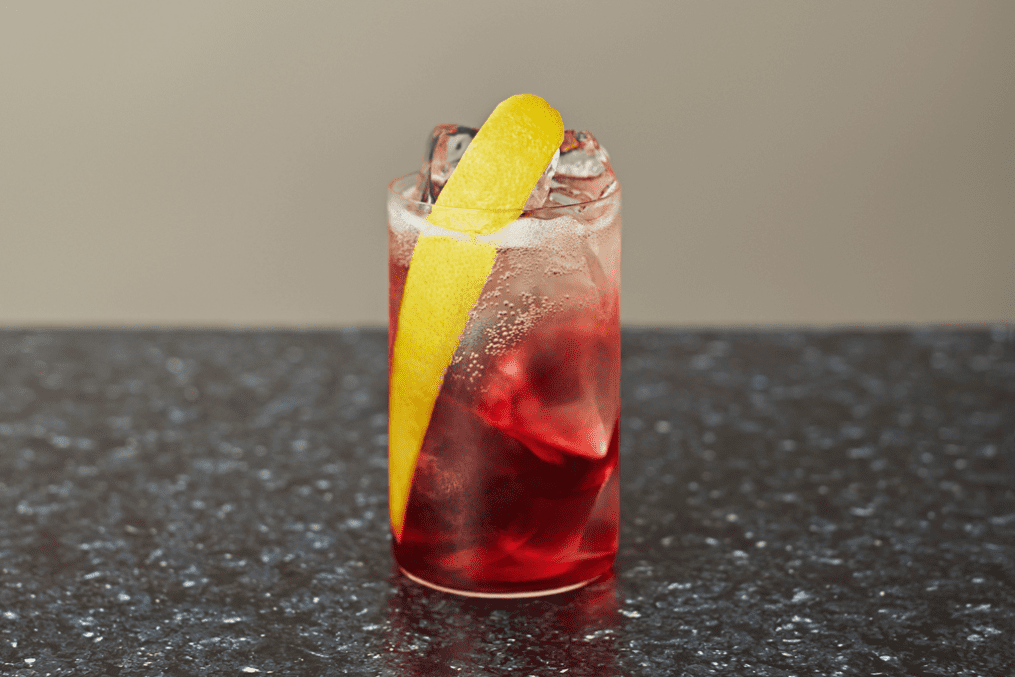
Whether you’re the designated driver for the evening, attempting to keep your units in check, or would simply like a refreshing, alcohol-free tipple to try, this delicious spiced blackcurrant drink ticks all of the boxes. Using Seedlip Spice 94 as a base, the aromatic flavours of the non-alcoholic spirit perfectly balance the sweetness and sharpness of the blackcurrant cordial. It’s topped with sparkling apple juice to bring it all together and finished with a garnish of lemon peel.
Makes 1
50ml Seedlip Spice 94
25ml organic blackcurrant cordial
Sparkling apple juice
A twist of lemon peel, to garnish
1 Fill a highball glass with ice and then pour the in Seedlip and blackcurrant cordial.
2 Pour the sparkling apple juice over the top of the other liquid ingredients and fill to the top of the glass. Garnish with the lemon peel and enjoy.
For more Seedlip recipes, visit seedlipdrinks.com
The post Alcohol-free spice & black appeared first on Healthy Magazine | Food | Fitness | Beauty | Health.
What does turmeric do?

Over the past few years, the health and wellness world has developed an obsession with a particular yellow spice. Turmeric has been a buzzword on health blogs and hipster café menus, with advocates sipping on golden lattes and adding the ancient ingredient to cooking for its believed health benefits, as well as its spicy flavour.
Believed health benefits of turmeric include reducing inflammation and supporting digestion. But what does turmeric actually do, and how much should we be consuming?
What is turmeric and what does it do?
As you probably already know, turmeric is a bright yellow spice that has been used for thousands of years as a cooking ingredient, but it’s been used since ancient times as a medicinal herb, too. Turmeric is extracted from the root of the turmeric plant and is related to ginger, as both are part of the Zingiberaceae family.
The compound curcumin, which gives turmeric its yellow colour, has been isolated by scientists as turmeric’s most important active ingredient. Studies show curcumin has anti-inflammatory properties and may support digestion, too. Between two and six per cent of turmeric consists of curcuminoids, which are active plant compounds, most of which are curcumin.
As well as the familiar yellow powder, turmeric is available in the form of capsules, teas, essential oils, scrubs and is sometimes even used in face masks. Scientists have discovered that black pepper helps your body absorb curcumin, so you may sometimes find the two blended together in food products.
What does turmeric do in the body?
Traditional Ayurvedic medicine – a holistic approach to medicine that originated in India more than 3,000 years ago – has long supported that turmeric benefits health and wellbeing. And today, Western studies into the effects of curcumin are beginning back this up.
It can reduce inflammation. A 2013 study in the journal Biofactors found that curcumin may be responsible for curbing inflammation and swelling. Researchers say it has this effect by blocking enzymes and other proteins that create an inflammatory response in the body.
It may support your joints. Curcumin’s effect on reducing inflammation means it can also help protect your joints from wear and tear. This includes easing symptoms of arthritis like joint movement and stiffness, according to a 2016 study in Journal of Medicinal Food.
It can ease digestion problems. Curcumin benefits gut health, including relieving excess gas, abdominal pain, and bloating. A 2013 trial by the University of Nottingham found that curcumin stimulates the gallbladder to produce bile, an essential substance needed to break down fat in foods.
However, it’s important to remember that the dosage of curcumin in turmeric is low, while many of these studies have investigated the effects curcumin in a concentrated dose. For this reason, the health benefits observed here may not be directly translatable to consuming small amounts of turmeric in the diet.
How much turmeric is safe to take?
There is no reference nutrient intake (RNI) for turmeric, but don’t exceed the dosage stated on any label. However, there is an RNI for curcumin. The World Health Organisation advises up to 3mg per kg of bodyweight of curcuminoids, which includes curcumin. However, the average daily intake in an Indian diet is much higher, between 60 and 100mg per kg of bodyweight.
For the best effect, try turmeric in combination with black pepper. A 2017 study by USA’s Central Michigan University reported that an important compound in black pepper, piperine, can increase the body’s ability to absorb curcumin by 2000 per cent.
Children under 12 years old and women who are pregnant or breast-feeding should not take turmeric, as its safety in these groups not been proven.
What are the side effects of taking turmeric?
Side-effects are rare, but can include:
- An upset stomach, including diarrhoea
- Yellow stools
- Headaches
- Skin rashes
Advice is for information only and should not replace medical care. Please check with your GP before trying any remedies.
The post What does turmeric do? appeared first on Healthy Magazine | Food | Fitness | Beauty | Health.
Class crashers: touch rugby

I’m afraid to say that my previous experience of rugby has been horribly sexist. It’s been a sport for my brother to play, my dad to coach and me to simply enjoy from the sidelines. I had a vague understanding of the rules – you can’t pass forward and you can expect to lose some teeth.

So I was pleasantly surprised to find my O2 touch rugby session , at an outdoor sports complex in central London, comprised mainly of women. There was also the assurance of no pain, as tackling and scrums are off limits. We’re kitted out with tracking devices (the same the pros use) to measure our performance, and are thrown straight into warm-ups based on hand-eye coordination. There’s a reason I stick to solo workouts, which becomes apparent when a ball thrown at me from trainer Gareth leaves me cringing, and the ball 12 metres away.
We’re paired up to practise backward passing while running, then stand back-to-back and race to pass the ball 10 times in a circle, overhead then through our legs. This results in a lot of bum-bumping with complete strangers.

Our pair becomes a four as we start to practice defence skills. As the name suggests, a touch from the opposing team means letting go of the ball. You place it behind you for another teammate to pick up, then continue to the try-line. Six touches and the ball turns over, if you haven’t dropped it already – which we always have.
The six-aside game we attempt at the end of the class is mainly characterised by puzzled people running backwards and shouting. The rules on when to touch and when to pass become increasingly entangled, and I start to question whether the effort is getting to me or if the rules of touch rugby really are this complicated. I’m the only one who manages to be knocked to the ground in a spectacular head-on smash with the largest man on the field (who apologises profusely), so bonus points there.

Confusion and bruised ego aside, we’re having a laugh and when we finish (1-nil to my team), I’m amazed that two hours of exercise have gone by. The after-match analysis shows my heart rate was the highest, which indicates either my fitness isn’t up to much, or, as the trainer assured me, I was working the hardest.
While a few more sessions would be needed to nail down the rules, touch rugby is a women-friendly and fun team sport. As we all high-five as we leave, it strikes me that we’ve bonded in a way that only winning, losing and laughing together can achieve – I’ll never find this level of camaraderie on my Pilates bed.
Visit o2touch.co.uk or download the app
Photographs: Tom Miles
The post Class crashers: touch rugby appeared first on Healthy Magazine | Food | Fitness | Beauty | Health.
The glow diet

There’s no hiding chipped nail polish, just like no amount of moisturising can mask a bad diet. The nutrients we take on act as our body’s building blocks, helping us to tackle aggressors like pollution and bacteria, as well as regenerating cells – crucial for healthy skin, hair and nails. So we quizzed three experts on the top beauty-boosting foods to incorporate as part of a healthy diet.
The problem: Acne and breakouts
‘This is the most common issue I see,’ says nutritionist Fiona Lawson. ‘Between a quarter and half of women experience some form of breakout every month. Your skin is a window into what’s going on in your body, so if it’s suffering, chances are there’s something inside that needs addressing.’
The fix: Balance your blood sugar to get clear skin naturally. ‘This is one of the most powerful things you can do for your skin,’ says Lawson. ‘Peaks and troughs impact insulin, which when consistently high can lead to inflammation, with knock-on effects on testosterone, which drives acne.’ A simple way to balance blood sugar levels is to ensure you include a source of protein with every meal or snack, says Lawson, as protein slows down the absorption of sugar into the bloodstream. It’s also vital to good skin integrity, as it aids healing. ‘Pulses and legumes like lentils and chickpeas are a good first port of call. Nuts are also a source and contain essential fats, which help create strong, flexible cell membranes. Organic tofu is a good idea too.’ To further stave off a sugar spike, Lawson suggests opting for complex carbs to improve your skin condition, ‘like sweet potatoes and wholegrains,’ as these take longer to be absorbed.
And for seconds… ‘Address your gut and liver health,’ says Lawson. The liver detoxifies, and a strong gut stops microbial toxins escaping and causing inflammation. To help your liver, Lawson suggests eating cruciferous veg. ‘Things like broccoli or cabbage – or any dark green leafy veg, as they contain magnesium and B vitamins, which aid detoxification.’ For good gut health, go for fermented foods to help crowd out the bad bacteria (think kimchi, kefir, kombucha) and a wide variety of colourful fruits and vegetables, because ‘they provide the fuel for the good bacteria’.
The problem: Hair loss or thinning hair
‘People often assume that hair loss is a result of inheriting bad genes or a stressful episode in their life, but the most common hair loss causes I see are nutritional deficiencies,’ says nutritionist Kyla Newcombe. Look at other signs of deficiency, too: breaking nails or a flaky scalp? It’s likely down to your diet.
The fix: Stock up on macronutrients to prevent hair loss. ‘The most important things are protein and healthy fats,’ says Newcombe. ‘Protein is the building block of the hair, so try to include eggs, nuts and seeds – they’re all vital for the structure.’ Good fats retain moisture in the hair, and provide moisture to the scalp. ‘If the scalp is dry then the hair follicles suffer, which in turn causes hair growth to suffer, too,’ says Newcombe. ‘To keep everything healthy and shiny, look for your omegas -3, -6, and -9. Omega-3 is found in chia seeds and flaxseeds; omega-6 in lots of different seeds and nuts, and then omega-9 is in avocados and olives.
And for seconds… While B vitamins (nuts and seeds, again) and selenium (found in abundance in Brazil nuts) are both important, the most commonly lacking nutrients are iron and zinc. Iron carries oxygen to hair’s roots, while zinc deficiency can deteriorate the protein structure that makes up the hair follicle. ‘Due to menstruating, women can lose a lot of iron each month, so it’s important to keep levels topped up with foods like beans and lentils. Aid absorption by eating them alongside foods high in vitamin C, like peppers or kiwi fruit.’ Find zinc in wholegrains and our old favourites, nuts and seeds.
The problem: splitting, dry nails
‘A lot of people struggle with this,’ says consultant dietitian Lucy Jones. ‘We’re often unable to maintain the length or shape of nail we’d like to.’ While gel nails are often the culprit, a number of dietary factors affect the strength of our nails.
The fix: Think zinc. ‘It’s all about cell formation. All the nutrients necessary for healthy nails play a role in cell structure and cell integrity,’ says Jones. ‘Zinc is the only nutrient with an approved European Food Safety Authority claim of contributing to the maintenance of normal nails.’ An antioxidant, zinc prevents cell damage and is required for the growth and division of cells. ‘It’s often bound to protein, so foods high in zinc include eggs, cheese, almonds, milk and pulses.’
And for seconds… ‘A vitamin B12 deficiency can lead to excessive dryness, and cause nails to darken or curve upwards,’ says Jones. B12 is found in eggs and milk, or try fortified cereals or nutritional yeast. A supplement can be a good idea if you follow a vegan diet. ‘Fatty acids are also great lubricators, so consume healthy fats like olive oil, rapeseed oil, nuts, seeds and avocados,’ Jones adds.
Read more: 5 resolutions for glowing skin
The post The glow diet appeared first on Healthy Magazine | Food | Fitness | Beauty | Health.
Subscribe to:
Comments (Atom)
Popular Posts
|

